SpaceX passes on military launch contracts
A Spanish company is building a new rocket, while a Canadian firm seeks a major cash injection.
By Jian Chen ·
SpaceX has declined an offer to take on three military launch contracts from the U.S. Space Force. The company, which has a long history of serving government customers, told the military thanks but no thanks. This decision comes as SpaceX continues to develop its Starship vehicle for other high-profile missions.
In a separate development, a NASA safety panel has raised concerns about the amount of fuel required for a future lunar landing mission. The panel determined that SpaceX's Starship may need up to 22 refuelings in orbit before it can support a crew landing on the moon. This large number of refueling flights would be a significant logistical hurdle for the mission, adding complexity and time to the process.
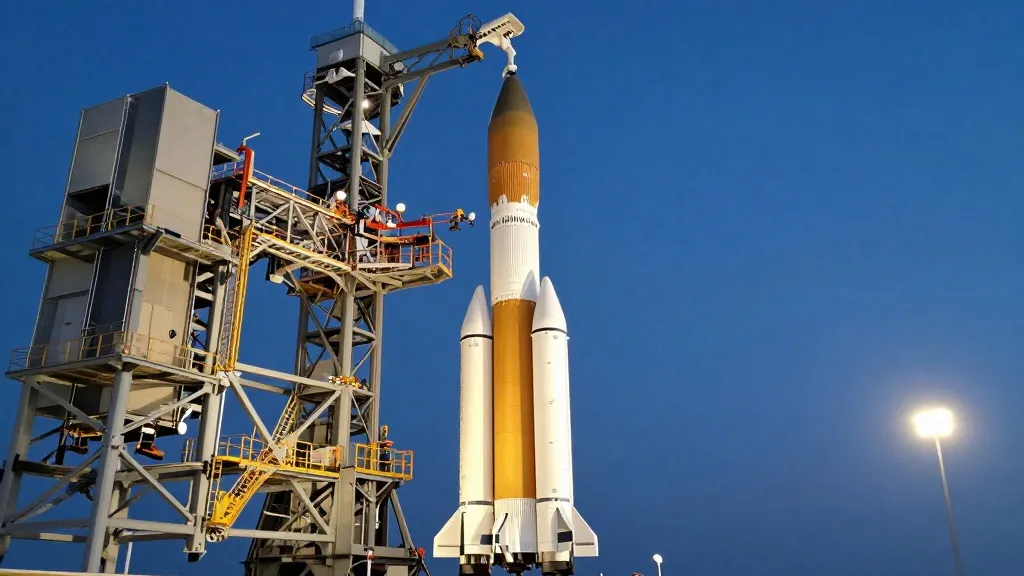
Meanwhile, the race to build new rockets continues. Spain's PLD Space is preparing for the first flight of its Miura 5 rocket, a small-lift vehicle designed to carry small satellites into orbit. The company's CEO, Raúl Torres, reported that the rocket is nearing final integration. Manufacturing three of these vehicles has allowed teams to work continuously across different production stages, applying lessons learned from one to the next.
The company is now targeting a first flight for the Miura 5 before mid-2027. A second stage for one of the rockets has been fully integrated and is at a test facility for its qualification campaign. This process includes a wet dress rehearsal and a static hot-fire test to ensure all systems are working as intended before it ever leaves the ground.
In Canada, a company called Reaction Dynamics is seeking to raise $350 million. The funds would be used to significantly grow its staff, expanding from 68 people to more than 350. The company is developing the Aurora rocket, which it hopes will reach orbit in 2028. Reaction Dynamics has also announced plans to build a medium-lift rocket called Borealis, with a debut scheduled for 2031.
The competition for military launch contracts is a key part of the U.S. space strategy. The military wants to ensure it has reliable access to space for its satellites and other assets. SpaceX's decision to pass on these specific contracts could create opportunities for other launch providers to step in and demonstrate their capabilities.
The development of new rockets from companies like PLD Space and Reaction Dynamics highlights a growing global interest in space access. These smaller, lower-cost launchers are designed to serve a different market than the heavy-lift rockets built by companies like SpaceX. They are focused on providing affordable and frequent access to orbit for smaller satellites and technology demonstrations.
The challenges with refueling Starship for a lunar landing underscore the technical hurdles that remain for the mission. Sending a large vehicle to the moon requires a great deal of energy, and refueling in orbit is a way to achieve that without making the rocket too heavy to launch. The number of refuelings required is a critical factor in planning the mission's timeline and cost.
As of October 23, 2026, the aerospace industry remains in a period of rapid development. Companies are building new rockets, securing funding, and competing for contracts. The decisions made today by companies like SpaceX and the military will shape the future of space exploration and the launch of satellites for years to come.
Source: Ars Technica