Lunar Logistics Overhaul: NASA Locks In New Docking Protocols
The space agency has restructured its Artemis architecture to prioritize efficiency, eliminating complex orbital maneuvers for SpaceX and Blue Origin vehicles.
By Jennifer Paige ·
NASA has fundamentally rewritten the rulebook for its upcoming lunar missions, signaling a decisive shift in how it will deliver astronauts to the Moon.
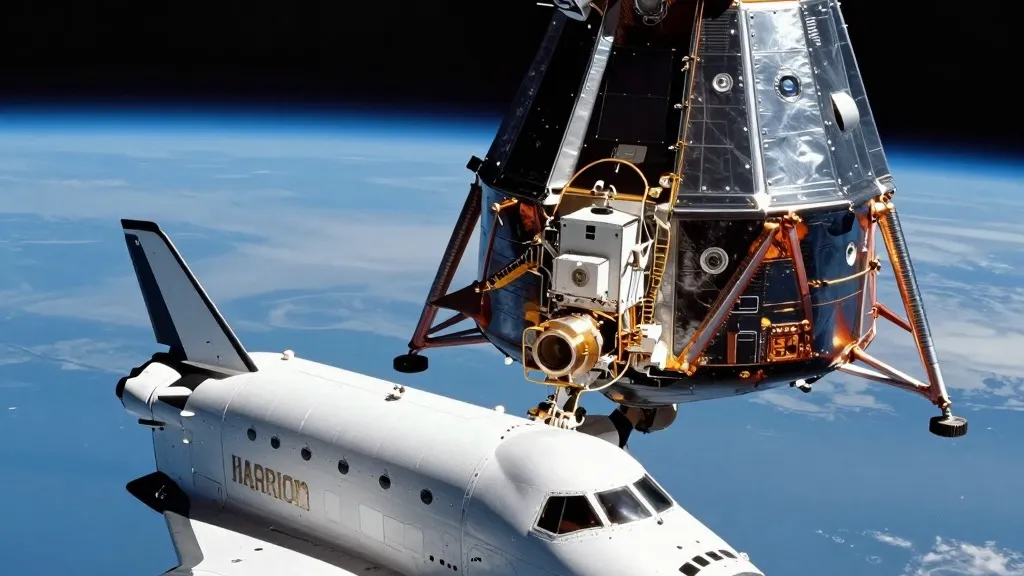
During a lengthy briefing held on Friday, October 23, 2026, agency officials unveiled a detailed architectural update for the Artemis Program. The core objective remains unchanged: returning humans to the lunar surface by 2028. However, the path to get there has been significantly altered. The most critical change involves the docking procedures for SpaceX’s Starship vehicle. Instead of the previously planned complex maneuvers, the revised plan now requires the Orion spacecraft to dock with the Starship lunar lander in high-Earth orbit. This strategic move occurs before the combined stack transits to the Moon, streamlining the energy requirements and operational complexity of the mission.
The adjustments also directly impact Blue Origin’s contribution to the program. The updated architecture for the Blue Moon lander involves four separate launches using the New Glenn rocket. Notably, this configuration removes the need for spacecraft-to-spacecraft refueling in orbit. Furthermore, the plan introduces a flexible option where the Blue Moon lander could rendezvous with the Orion capsule in low-Lunar orbit, offering a different tactical approach than previously envisioned.
Key figures in the program have reaffirmed their confidence in these new timelines. NASA Administrator Jared Isaacman stated that the agency is on an "achievable path" and possesses the necessary mandate, resources, and stakeholder support to execute the plan. He emphasized that the leadership has taken a hard look at every element of the program to help the lunar lander companies accelerate their efforts.
The immediate milestones remain anchored to specific dates. NASA officials confirmed that the Artemis III mission, which serves as a demonstration involving docking with both the Blue Moon and Starship vehicles near Earth, is still targeted for a launch in the summer of 2027. Following this, the Artemis IV mission, which will mark the first crewed lunar surface landing under the new architecture, is tracking toward a 2028 launch. While the technical hurdles have been addressed, the question of whether the agencies can hold to these aggressive schedules remains the primary challenge for the next eighteen months.
The restructuring addresses a major engineering bottleneck that had plagued the program. In early 2026 meetings, SpaceX engineers had specifically requested the removal of the requirement to dock with Orion in a near-rectilinear halo orbit around the Moon. This particular orbital path was deemed energy-intensive and fraught with additional difficulties. The cancellation of the Lunar Gateway earlier this year inadvertently solved this issue for SpaceX, allowing for the simplified high-Earth orbit docking strategy now in effect.
These changes mark the first time NASA has laid out these specific architectural shifts in such granular detail. While much of the underlying information had been previously reported by various outlets, this official presentation acknowledges substantial changes to the mission design. The agency aims to balance the technological capabilities of its commercial partners with the urgent goal of establishing a sustained human presence on the Moon, ensuring that the logistics of the journey are as robust as the destination itself.
Source: Ars Technica