Incarcerated men find purpose and freedom at Louisiana prison rodeo
At the Angola Prison Rodeo, men serving life sentences ride wild animals and sell crafts, gaining a sense of accomplishment and a temporary escape from their sentences.
By Neha Wang ·
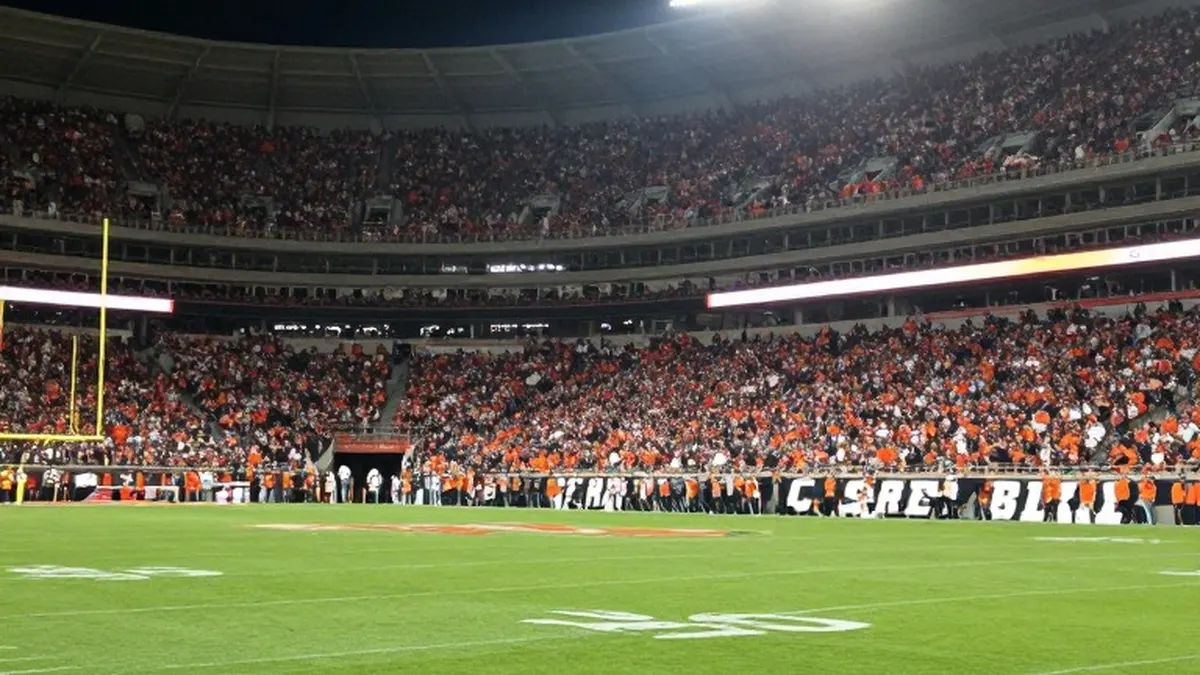
For the majority of the year, Kevin Gildhouse and Travis Johnson are inmates serving life sentences without the possibility of parole at the Louisiana State Peniteniary. However, during specific weekends in April and Sundays in October, they don cowboy hats and spurs to participate in an event known as the wildest show in the South. Approximately 1,000 incarcerated men at the facility, which is the largest maximum security prison in the United States, earn the right to participate in the Angola Prison Rodeo through good behavior.
While the event has drawn outside criticism regarding potential exploitation, the men inside view it as a rare opportunity for a fleeting sense of freedom. Gildhouse, who has been at the penitentiary for nearly two decades, recalls his initial fear upon arrival. He grew up in foster care, moving between numerous homes, and was sentenced to life without parole at age 19 after being convicted of killing a cab driver during a robbery. He still reflects on the man he killed, believing he has been forgiven by God even if the family's forgiveness is out of reach.
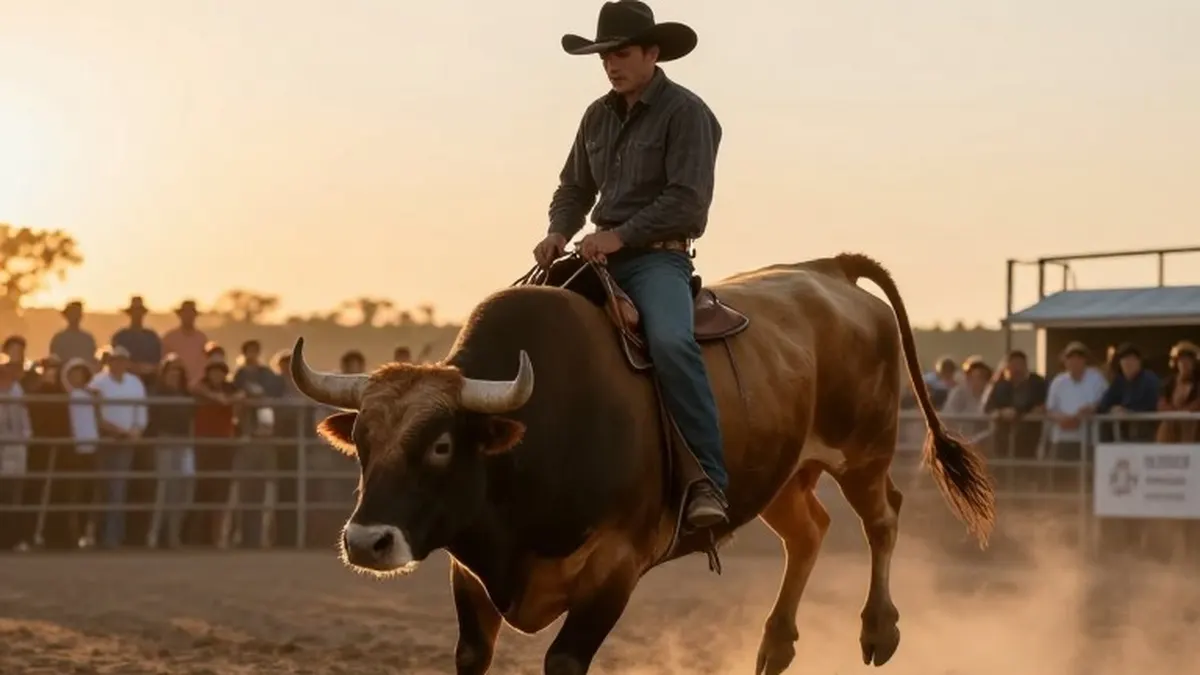
During the rodeo, Gildhouse and other inmates ride wild horses and bulls in front of thousands of spectators. He describes the experience as a time when he feels free, competing alongside other men who share in the mud and blood. He emphasizes that participation is voluntary and that the camaraderie makes the experience valuable for those who choose to take part.
John Corley, an inmate and editor of the award-winning prison magazine The Angolite, notes that the rodeo helps men find purpose. He argues that providing an activity for a man with little hope of release can transform his outlook, making him feel like someone who is accomplishing something significant.
Travis Johnson, the reigning champion, is widely considered the man to beat. He grew up in rural Louisiana but became addicted to drugs after his family moved to Thibodaux. He has two first-degree murder convictions from nearly three decades ago and still struggles to discuss the events that led to his imprisonment. For Johnson, the ride offers a moment of accomplishment and a feeling of being weightless.
Johnson once explained to a skeptical spectator that his rodeo earnings were preferable to his previous methods of making money because no one's family was crying. In a memorable moment during an October rodeo, Johnson successfully snatched a poker chip worth $500 from between the horns of a bull. He celebrated by jumping into the stands, attributing his success to the collective effort of the group.
Not all participants choose to ride. Kenny Palmer, who is serving life without parole for a killing during a drug deal, prefers to sit out the competition. He describes the riders as constructively insane but respects their choices. Instead, Palmer makes chessboards and beaded necklaces to sell to visitors, finding creative outlet and a way to earn money.
Palmer noted that he made $87 on the day of a recent visit, a modest amount compared to those who sell nothing, but sufficient for his goals. Craftsmen pay 11% of their earnings to the prison, while riders keep their winnings. Palmer plans to use his savings to help his niece learn about financial literacy. For him, the best part of the event is the chance to see family and form new connections, as some inmates have even found spouses among the visitors.
The Angola Prison Rodeo continues to serve as a unique institution within the prison, offering a blend of competition, creativity, and community for the men who participate.
More News · National news · Report a business · Got a Story?