Jury convicts Jonathan Rinderknecht of starting deadly Palisades Fire
The 30-year-old was found guilty of federal arson charges on Friday after a previous trial ended in a hung jury.
By Luca Weber ·
Twelve people died in the January 2025 Palisades Fire, and a federal jury in Los Angeles has now determined that Jonathan Rinderknecht started the blaze. On Friday, jurors convicted the 30-year-old man of two federal arson counts following a retrial. The verdict comes after his first trial earlier this year ended in a mistrial when the jury deadlocked 10 to 2 in favor of acquittal.
Rinderknecht was charged with destruction of property by means of fire and arson. The first count covered the initial fire that started on Jan. 1, 2025, known as the Lachman Fire. The second count addressed the Palisades Fire, which erupted on Jan. 7. He had pleaded not guilty to both charges. The jury returned guilty verdicts on both counts. Prosecutors had previously pursued a third charge for setting timber on fire, but they dropped that count when they filed the new indictment for the retrial.
During the second trial, the government presented a streamlined case focused on digital forensics and expert testimony. Prosecutors relied on photographs showing Rinderknecht's car parked at the base of a trail near the fire's origin. They also used cellphone tower data to track his movement on the hill. Fire detection cameras established the specific time window the blaze ignited. Experts testified that they eliminated other potential ignition sources for that night, including fireworks.
Assistant U.S. Attorney Mark Williams described Rinderknecht's state of mind in the hours before the fire. "He was mad at everything, and frustrated," Williams said. Testimony from Uber passengers and text messages sent to his girlfriend at the time supported this characterization. After the fire began, Rinderknecht called 911 more than a dozen times while walking down the hill. Prosecutors played a video he screen-recorded on his phone during those calls. In the video, he asked the chatbot ChatGPT, "Are you at fault if a fire is lit because of your cigarettes?" Prosecutors argued this was part of an alibi he was constructing for himself.
Defense attorney Steve Haney challenged the government's timeline and the integrity of the crime scene. He argued that the fire origin area was compromised because the public had access to the site for six days until the Palisades Fire began. "Six days of anyone and everyone walking across the spot the government now calls a crime scene," Haney told the jury. He maintained that the government's evidence proved nothing. Haney also pointed to missing cell data records, arguing the state could not conclusively rule out that someone else was at the ignition point.
The defense called its own expert witnesses, including a retired U.S. Forest Service fire investigator. That expert argued the fire origin area was different from the location the government identified. Haney also cited a neighbor who testified to seeing a group of teenagers running away from the trailhead. He urged jurors to disregard evidence of Rinderknecht's character, such as his angry texts, calling them "evidence of the man, not evidence of the act." The defense proposed an alternate explanation: that fireworks caused the ignition. Several witnesses, including two neighbors and a local firefighter, reported hearing a loud bang or explosion from the hill.
Prosecutors countered by pointing to thousands of images collected from cameras in the area that night. They stated that none of those images showed fireworks in the sky above the hill where the fire started. Rinderknecht sat with little apparent reaction as the verdict was read. His father was present in the courtroom. After the verdict, Rinderknecht hugged his attorneys before leaving the room. The court has not yet scheduled a sentencing date for the defendant.
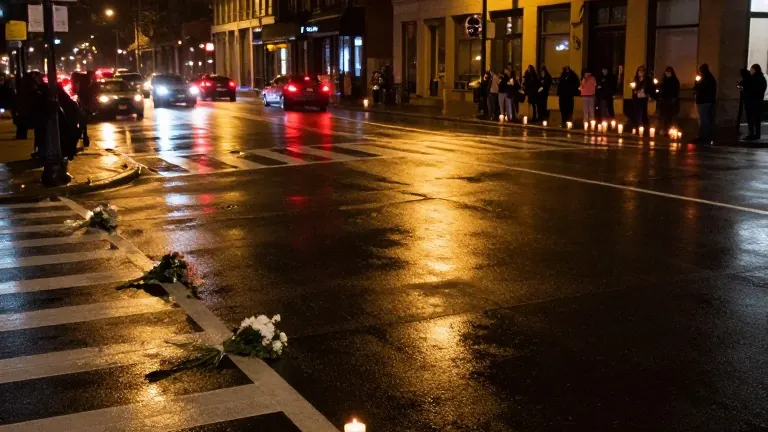
The Palisades Fire incinerated entire neighborhoods in Los Angeles and Malibu. It is considered one of the most destructive wildfires in California history. The initial Lachman Fire burned undetected in root systems before flaring back up six days later. The retrial followed the June mistrial, where the first jury could not reach a unanimous decision after two weeks of proceedings. The new trial focused less on Rinderknecht's resentment toward wealthy individuals and more on the physical evidence of his presence at the scene.