Veterinarians warn that common objects like hats and coins pose lethal risks to zoo animals
The tragic death of a hippopotamus at the Cincinnati Zoo has prompted experts to remind visitors that foreign objects frequently ingested by animals can cause fatal complications.
By Larissa Mensah ·
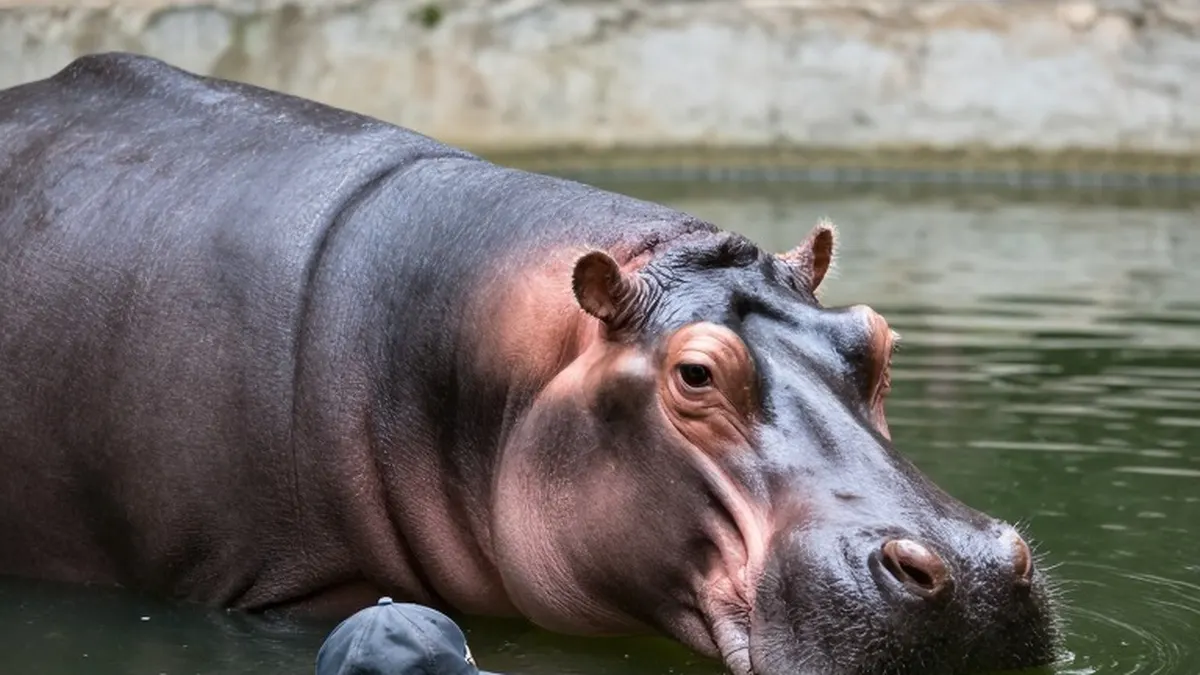
The death of Fiona, a nine-year-old hippopotamus who was a favorite at the Cincinnati Zoo, has renewed public attention on the dangers of foreign objects in animal habitats. Fiona passed away on Thursday after swallowing a hat that had accidentally entered her enclosure. According to the zoo, the hat became lodged in her small intestine, making surgical intervention impossible despite the efforts of the care team.
Cincinnati Zoo Director Dave Jenike issued a statement praising the staff for their heroic attempts to save the animal. He noted that while the team did everything possible, Fiona's body was ultimately unable to fight the obstruction. This incident highlights a recurring issue in zoos where items such as coins, shoes, and sunglasses fall or are tossed into enclosures, posing significant risks to the residents.
Although deaths from ingested objects are relatively rare, they do occur. In 2024, staff at Omaha's Henry Doorly Zoo and Aquarium successfully removed seventy U.S. coins from an alligator. Similarly, in 2025, a Komodo dragon at the Memphis Zoo survived after a shoe was thrown into its habitat and subsequently removed by veterinary staff.
Dr. Gabriella Flacke, an associate veterinarian at Zoo Miami, explained that the process of retrieving these items varies depending on the animal and the object. She stated that the zoo has used endoscopic procedures, which involve inserting a camera through the mouth to the stomach, to grab smaller items. In cases where objects are larger, surgery may be required to remove them.
Dr. Flacke noted that recovering items from an alligator is generally easier than doing so for a hippopotamus. This difference is due to anatomical variations; alligators have a digestive system with a single stomach divided into two parts, whereas hippos possess a multichambered stomach. This complexity makes it difficult to retrieve small objects like the hat ingested by Fiona.
Dr. Jen Quammen, president of the American Veterinary Medical Association, added that the difficulty in removal is not always about the physical size or shape of the object. Instead, it often relates to the physiological twists and turns that the object must navigate within the animal's digestive tract.
Veterinarians emphasize that zoo animals have specialized dietary needs that are carefully managed by caretakers. Visitors are encouraged to follow proper zoo etiquette, which includes avoiding loud yelling and refraining from throwing objects at the animals. Being mindful of personal items is crucial to prevent accidental ingestion.
Dr. Flacke advised visitors to be careful with items like sunglasses perched on their heads while leaning over barriers, as these can easily fall. She also warned about children who may unintentionally toss toys while walking near enclosures. These small moments can lead to significant consequences for the animals.
The risk of ingestion extends beyond the zoo environment. Both Dr. Quammen and Dr. Flacke recommended that pet owners and wildlife observers be equally mindful of potential hazards at home and in nature. Animals explore their surroundings by putting objects in their mouths, driven by natural curiosity.
To minimize these risks, experts suggest proper disposal of trash and secure storage of human medicines out of reach of animals. Dr. Quammen emphasized the importance of not feeding animals without explicit permission, a rule that applies to both wild animals and domestic pets.
More News · National news · Report a business · Got a Story?